Listen to This Article
Top 5 this week
1. Retail News: Supreme Court Tariff Decision Lands as Retailers Pilot ChatGPT Ads
“The Supreme Court struck down the broad IEEPA tariffs as an executive overreach, unlocking potential refunds worth billions. In response, the administration quickly imposed a new 10% tariff under Section 122, which could rise to 15% to offset the loss. While this may still improve costs compared with IEEPA, margins remain fragile. Sellers need to model true landed costs, secure thorough documentation for refund claims, and track deadlines closely to ensure no opportunity is missed.” ~Chelsea Cohen
2. OpenAI Taps Retail Giants for First Wave of ChatGPT Ad Testing
“Ads, Ads, Ads. Everywhere! All the AI Chatbots are the Googles of 10 years ago. I personally use ChatGPT 10+x a day to help me complete tasks that would take me more time. OpenAI has started testing ads inside ChatGPT with major retail partners like Target, Adobe, Williams-Sonoma, and Albertsons, showing sponsored placements alongside AI responses for free and Go-tier users in the U.S. Expect this to convert, and expect the ads to get more expensive over time.” ~Clayton Atchison
3. Shopify Says AI Shopping Will ‘Not Bypass’ its Checkout
“As agentic AI and AI advertising push forward, platforms are clearly going to guard what matters most to them: payments, attribution, and first-party data. If AI becomes the front door but checkout remains platform-controlled, optimizing for AI visibility and platform conversion could pull in different directions. I’m curious to see which marketplaces adapt faster and whether sellers experience this as opportunity or friction.” ~Nikko Patten
4. Does Saks Pulling Out of Amazon’s Marketplace Reflect a Deeper Mismatch with Luxury Brands?
“Saks pulling off Amazon confirms what many luxury vendors have experienced firsthand: the marketplace model creates friction around pricing control, brand presentation, and customer experience that high-end brands cannot accept. The operational costs of managing returns, MAP violations, and gray-market listings on Amazon often outweigh the incremental volume. Brands in premium categories should evaluate whether marketplace economics actually protect margin or just add complexity to their channel mix. The deduction and compliance exposure alone can erode what looks like growth on paper.” ~Shelby Owens
5. Amazon Takes the No. 1 Spot on the Fortune 500, Ending Walmart’s 13-Year Run
“Amazon taking the No. 1 spot doesn’t mean the marketplace itself is expanding at the same rate. What it shows is how Amazon is growing—and for sellers, that growth often translates to continued pressure on margins rather than higher sales. Revenue gains are increasingly driven by advertising, logistics-as-a-service, and rising marketplace fees, alongside heavier investment in AI and ad tech. These initiatives could benefit sellers in some ways, but ultimately Amazon will find ways to monetize them, too.” ~Vanessa Cox
Community
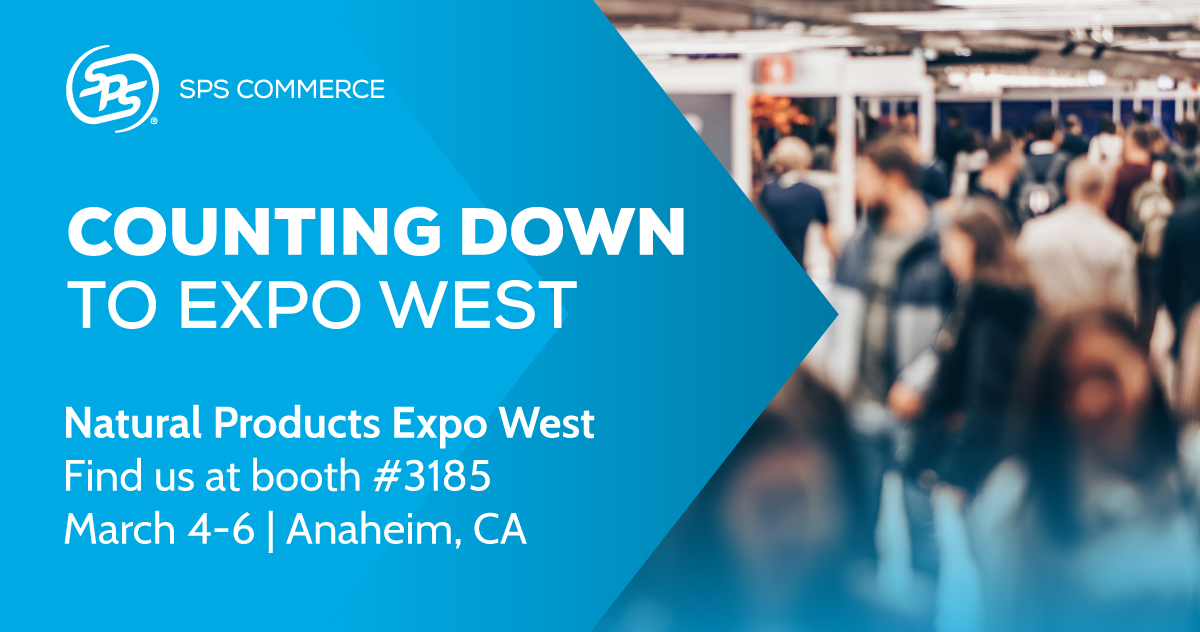
🤝 We’re Counting Down to Expo West 2026
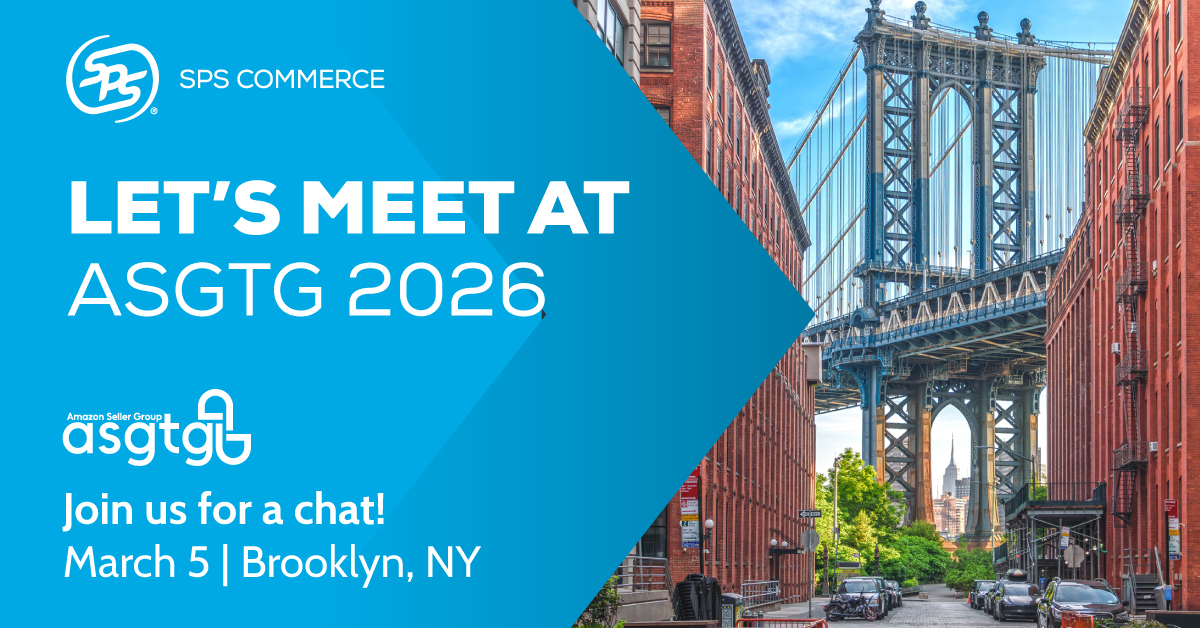
🗓 It’s Almost Time for ASGTG – We Can’t Wait to Meet You